
How Fleet Washing Extends Vehicle Lifespan and Reduces Maintenance Costs
Managing a commercial transportation group requires constant attention to operational efficiency and asset protection. Every vehicle represents a major financial investment that must be maintained diligently to prevent early mechanical failure, structural breakdown, and unexpected highway downtime.
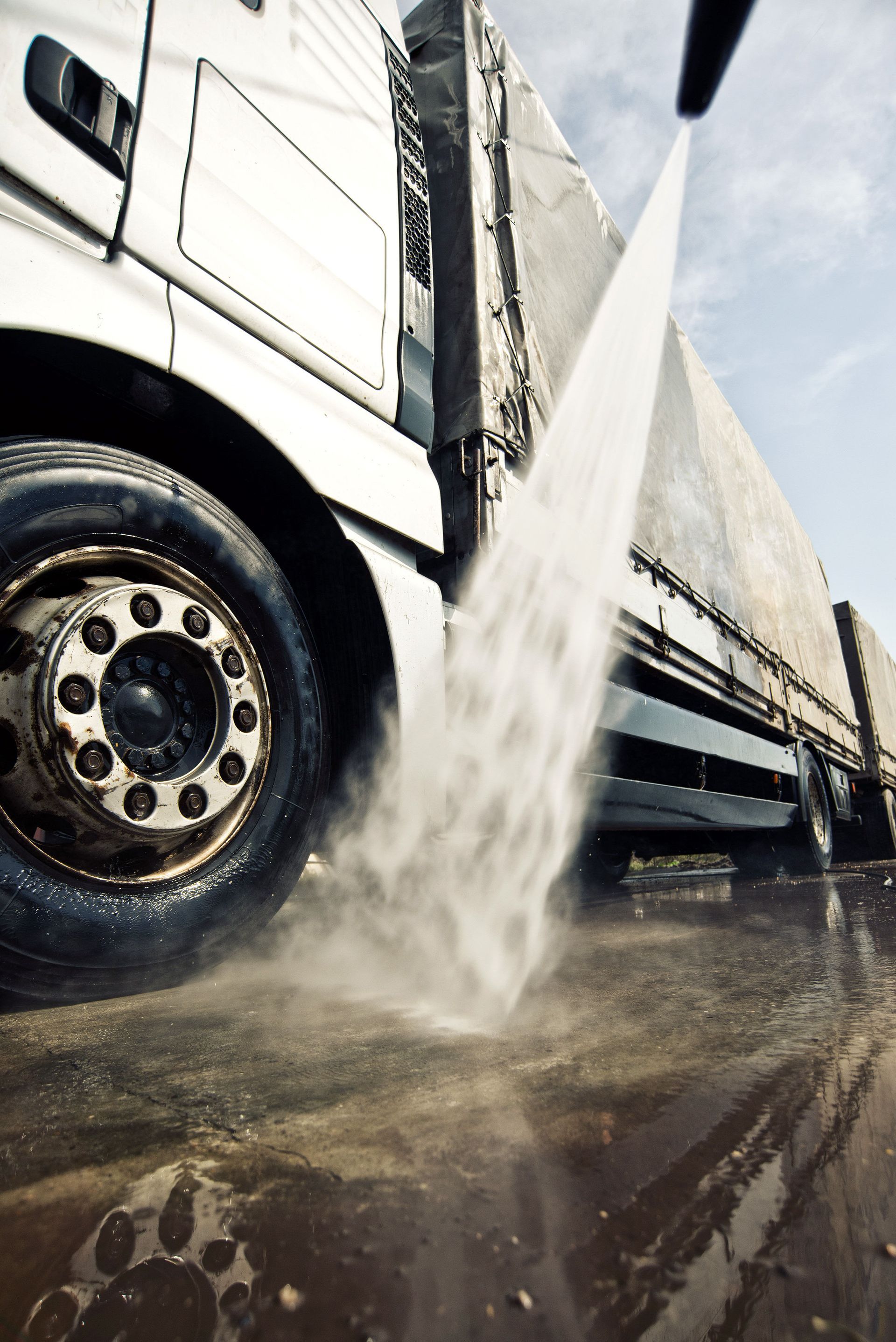
Accumulated highway grime, winter salt, and environmental debris actively destroy vital structural components over time. Implementing a regular schedule for professional fleet washing serves as a primary defense against this continuous deterioration, saving money on body repairs.
Clean vehicles operate more dependably and project an image of operational excellence to the public. When dirt builds up unnoticed, it hides developing mechanical issues that could otherwise be caught during routine visual safety checkups by your drivers.
Prioritizing clean transport equipment transforms how a company manages its mobile assets. By establishing a systemic cleaning routine, businesses protect their bottom lines while ensuring their drivers operate reliable machinery across regional roadways every day.
Regular cleaning schedules also help operations managers track the physical condition of each asset with greater precision. When grease and road grime are completely removed, structural defects become obvious before they can turn into major safety hazards.
Preventing Premature Exterior Degradation
Roadway contaminants act as abrasive sandpaper against specialized automotive paint and protective clear coats. As transport vehicles log extensive highway mileage, they gather thick layers of grit that scratch, pit, and degrade exterior surfaces during daily transit.
Neglecting these accumulations allows moisture to penetrate the underlying metal, which triggers rapid oxidation and deep structural rust. Routine fleet washing removes these microscopic hazards completely before they can cause permanent blemishes or weaken the structural integrity of your truck bodies.
Preserving the outer shell of a commercial vehicle extends its operational lifespan significantly. Drivers notice fewer body panel failures and less paint peeling when road grime is systematically stripped away on a predictable, weekly cleaning timeline.
- Removes abrasive highway dust
- Protects specialized exterior finishes
- Prevents early body rust
Maintaining a pristine exterior also prevents body hardware from seizing or binding during daily loading operations. Door hinges, latching systems, and cargo seals remain fully functional when kept clear of packed dirt and abrasive road grit.
Clean body panels also make it much simpler to apply new corporate decals or promotional graphics over time. A surface that receives regular care retains its bonding properties, ensuring your branding stays secure without peeling away.
Minimizing Corrosive Chemical Accumulation
Winter conditions introduce hazardous chemical compounds to public highways, including magnesium chloride, calcium chloride, and traditional rock salt. These elements cling stubbornly to the undercarriage of large transport vehicles, accelerating the decay of exposed metal components.
Regular fleet washing neutralizes these aggressive agents before they eat through brake lines, electrical wiring looms, and structural framing. Leaving these chemicals unchecked forces companies to face expensive systemic rebuilds far ahead of normal operational schedules.
Undercarriage cleaning is especially vital for vehicles operating in coastal regions or harsh northern climates. Salt air and treated winter roadways pose a continuous threat that demands specialized, high-pressure cleaning intervention on a regular basis.
Clean undercarriages allow your diesel mechanics to perform swifter maintenance inspections and identify fluid leaks immediately. When components are caked in dark sludge and highway salt, identifying a failing seal or cracked hydraulic line becomes nearly impossible.
By protecting the underside of your vehicles, you safeguard the most expensive mechanical assemblies from catastrophic failure. This preventative approach reduces the frequency of emergency roadside service calls and keeps your delivery schedules running on time.
Enhancing Corporate Brand Presentation
Every commercial truck operates as a moving billboard for the organization it represents on the open road. A dirty vehicle communicates neglect and can inadvertently damage a firm's reputation among prospective regional clients who see your trucks daily.
Utilizing professional fleet washing ensures that your public image remains sharp, clean, and highly professional at all times. Citizens feel more confident sharing the highway with an organization that demonstrates obvious pride in the upkeep of its mobile equipment.
Clean trucks boost employee morale by providing drivers with an organized, respectable mobile workplace. Operators tend to handle well-maintained machinery with greater care, reducing minor scratches, interior clutter, and negligent operational damage during long shifts.
- Projects professional corporate standards
- Builds positive community recognition
- Boosts operator workplace satisfaction
A stellar public reputation directly influences corporate growth, driver recruitment, and client acquisition. Investing in cleanliness is a silent marketing strategy that delivers measurable returns across your entire commercial service area.
When your fleet looks pristine, it sends a message that your company pays attention to details in every aspect of business. Customers naturally assume that a business with immaculate trucks will handle deliveries with the exact same level of care.
Improving Highway Safety Compliance
Layers of road film dramatically reduce the effectiveness of essential vehicular lighting systems and reflective safety tape. Mud-covered brake lights, dirty headlights, and obscured turning indicators create severe hazards during night operations or heavy summer rainstorms.
Consistent fleet washing keeps visibility components completely clear, minimizing the risk of rear-end collisions on busy highways. Highway safety inspectors look much more favorably upon clean equipment during random roadside compliance checks and weight station evaluations.
Clean windows and mirrors ensure that drivers maintain unobstructed sightlines across their traditional blind spots. Reducing visual obstructions directly lowers accident rates, protects your insurance premiums, and ensures the well-being of the general public.
Safety managers notice a sharp decline in preventable compliance citations when vehicles are washed regularly. Keeping safety decals legible ensures compliance with national transportation guidelines without requiring extra maintenance hours from your shop staff.
Clear reflectors and clean cameras are also essential for modern driving assistance systems to function correctly. When external sensors are blocked by dirt, advanced safety features can malfunction and compromise driver safety on the road.
Optimizing Mechanical Operational Efficiency
Heavy layers of accumulated mud and grease insulate mechanical components, trapping excess heat around the engine and transmission. This elevated thermal stress forces cooling systems to work harder, accelerating internal part wear and lowering fuel efficiency.
Integrating scheduled fleet washing into your operational routine keeps radiators, oil coolers, and AC condensers clear of debris. Airflow remains optimal, allowing heavy engines to maintain ideal running temperatures even under maximum cargo loads and steep highway inclines.
Clean mechanical systems shed heat efficiently and require less energy to operate smoothly over long distances. This thermodynamic balance prevents premature fluid breakdown, preserves oil viscosity, and protects delicate electronic sensors from heat-induced failure.
Vehicles free of dense mud buildup also weigh less, which positively influences fuel economy over long hauls. Eliminating hundreds of pounds of useless dirt across multiple units yields noticeable fuel savings that add up quickly over the fiscal year.
When your powertrain operates within its designed temperature parameters, you extend the intervals between major overhauls. Clean components experience less friction and thermal expansion, ensuring your assets remain on the road, earning revenue.
Conserving Precious Environmental Resources
Modern commercial washing requires a careful balance between deep cleaning efficacy and responsible water utilization. Commercial operators utilize advanced systems that maximize pressure while carefully monitoring total fluid output to prevent wasting local resources.
According to Contractors Supply, standard washing equipment typically consumes from two to four gallons of water every minute. Professional fleet washing services manage this flow responsibly by utilizing specialized containment barriers and advanced recycling filtration systems on-site.
Filtering wastewater prevents hazardous motor oils, heavy metals, and fuel residues from entering local storm drains and groundwater supplies. Responsible corporate citizens prioritize these conservation methods to protect regional ecosystems from toxic commercial runoff.
Choosing an eco-conscious cleaning partner ensures your company meets local environmental guidelines seamlessly. Sustainable practices safeguard your business from heavy municipal fines while preserving valuable regional water resources for future generations.
Demonstrating green compliance also enhances your corporate standing when bidding on municipal or corporate contracts that require strict environmental standards. Clean operations protect both your vehicles and the community you serve.
Protecting your mobile investments requires a dedicated maintenance partner who understands the science of cleanliness. When you are ready to maximize your vehicle lifespan and lower operational overhead, secure premium commercial care with Unlimited Power Washing.




Share On: